
WISSP
Whale Identification for Ship Strike Prevention
Turning Whale Songs into Safe Passage
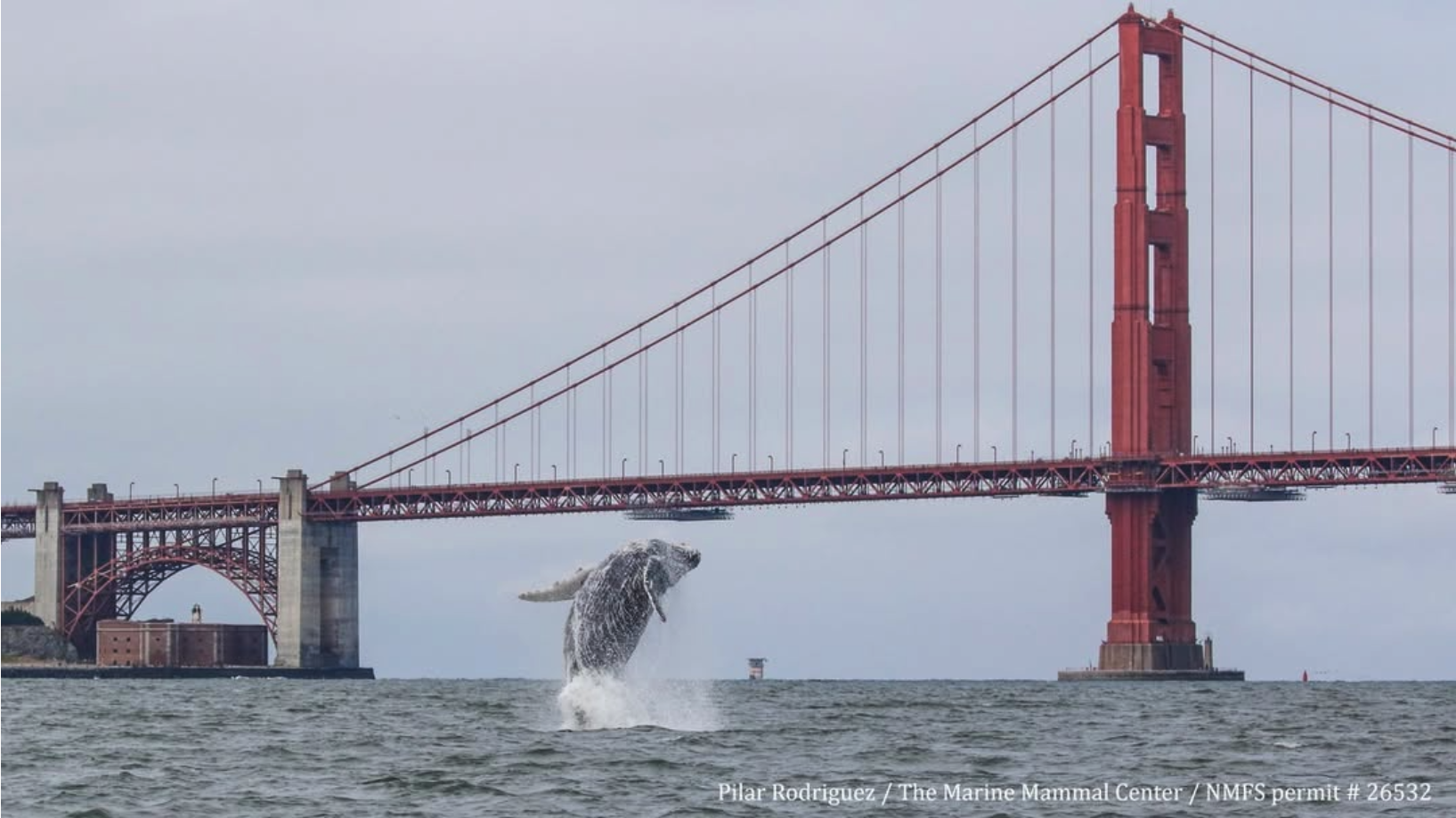
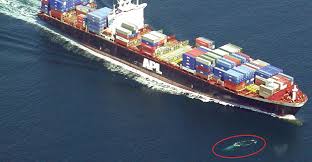
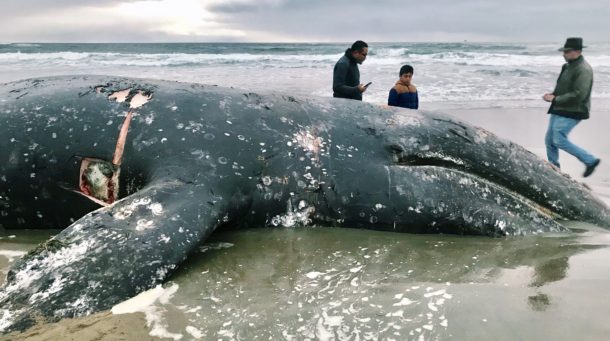
Ship strikes—collisions between whales and vessels—are the leading cause of whale mortality along the U.S. West Coast. A 2017 study (Rockwood et al., 2017) estimated that in a single year, 20 blue whales, 22 fin whales, and 28 humpback whales were killed by vessels—numbers that exceed sustainable limits for these endangered species. And those are just the strikes we can estimate. Taken together, these trends underscore the urgent need for smarter solutions that can prevent collisions before they occur.
The ocean has always spoken. With WISSP, we’re building the tools to finally listen in real-time—and respond with care. Ocean Conservation Research (OCR) has been at the forefront of ocean sound science for over two decades. WISSP builds on that legacy with advanced detection capabilities—enabling unmatched precision in identifying and tracking individual whales.
How It Works: Wavelets That See What Ships Can’t
At the heart of WISSP is wavelet analysis, a technique that transforms how we interpret underwater sound. Unlike traditional methods like Fast Fourier Transform (FFT), which blur signals across time, wavelets retain both timing and frequency—allowing us to isolate and identify whale calls with extraordinary accuracy.
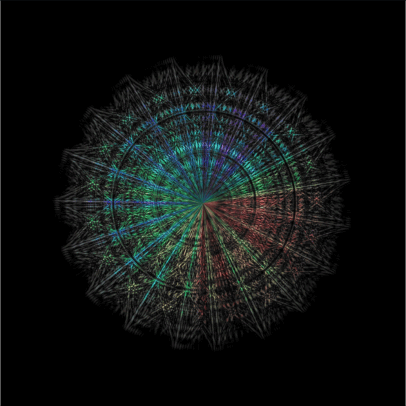
Wavelet mandala made from the song of a humpback whale.
Using broadband hydrophone arrays placed along shipping corridors, WISSP listens for whale calls, triangulating on their exact location, and transmitting these data to nearby ships through globally available AIS (Automatic Identification System). Through this WISSP will enable vessels to “see” whales in real time—displayed directly on their AIS navigation screens—so they can adjust course and avoid deadly collisions.
The Greater Farallones region is a biodiversity hotspot and one of the busiest maritime routes on the Pacific Coast. Each year, more than 6,000 large vessels – including container ships, tankers, and cargo containers – transit these waters, making it a persistent high-risk zone for marine life. WISSP’s first test deployment will take place here—bringing dynamic protection to a critical intersection of commerce and conservation as we benchmark the various aspects of the system.
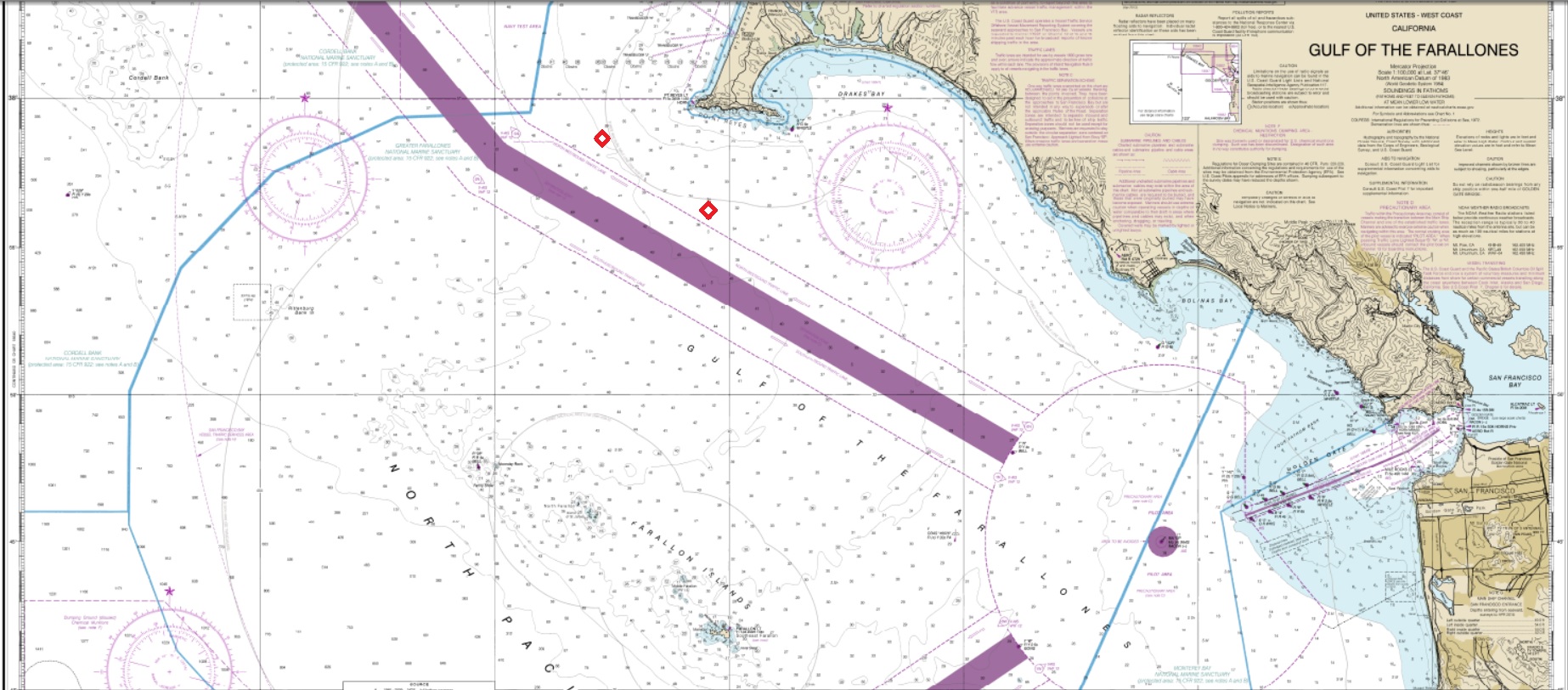
Proposed array placement (see red diamonds).