

Orca or “Killer Whale”
Hunting and Chattering
Hunting Clicks
Orca Calls & Clicks
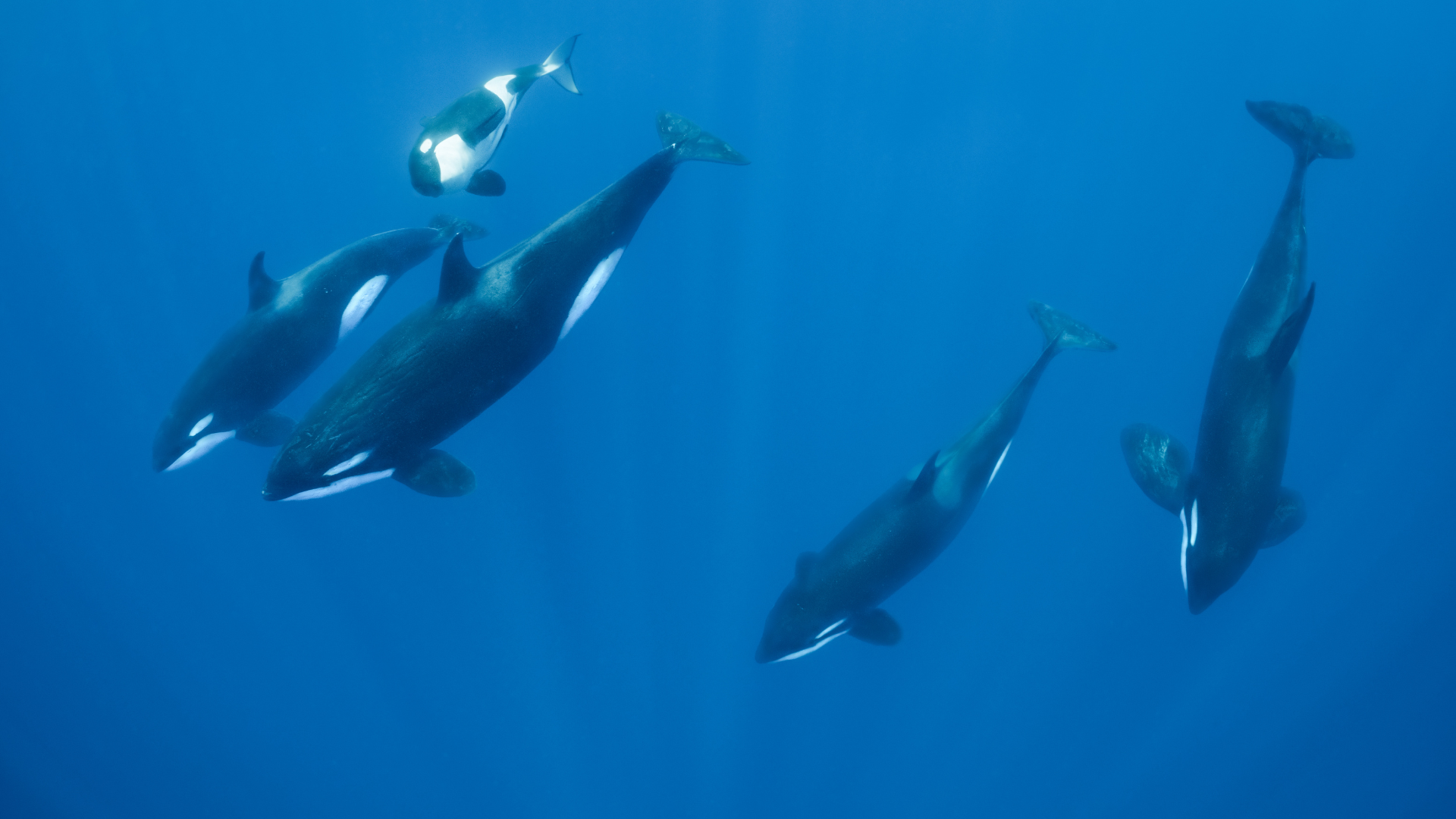
Orcas are community animals, with many populations living in matrilineal pods—each with their distinct cultures and dialects. They hunt collaboratively, using social signals (squeaks, whistles, and chirps) as well as bursts of high-frequency bio-sonar, which we hear as buzzes and clicks. Listen for yourself in these two audiographs.
Bio-sonar consists of bursts of high-frequency energy which orcas project into their surroundings. They read back the reflections of the sound bursts to learn where prey and obstacles are located—much like we do when we look around a room and see where objects and obstacles are placed.
Orca Facts
LATIN NAME Orcinus orca.
LENGTH Adult males in the North Pacific may reach about 8.2 m (27 ft), while females reach about 7 m (23 ft). Size varies among populations.
WEIGHT Adult males may weigh about 6,000 kg (13,300 lb), nearly twice as much as females.
LIFETIME Males average about 30 years and may live at least 60; females typically live about 50 years and may reach at least 90.
PHYSICAL TRAITS Orcas are distinctively colored. The dorsal surface is mostly black except for a gray or white saddle patch behind the dorsal fin. The underside of the body and underside of flukes are white and there is a white eyespot behind each eye.
BEHAVIOR They produce three categories of sounds: clicks, whistles, and pulsed calls. Clicks are used primarily for echolocation—finding prey and other objects in the surrounding environment—and are also heard during social interactions. Members of a resident pod share a repertoire of calls, known collectively as a dialect.
HABITAT Orcas inhabit coastal and offshore seas. Productive areas of cold-water upwelling can provide rich feeding grounds. Cold-water upwelling occurs where deeper, nutrient-rich waters rise to the surface, supporting the food web.
LOCATIONS They are found in all oceans, from polar waters to tropical and subtropical seas, although they are most abundant in colder regions.
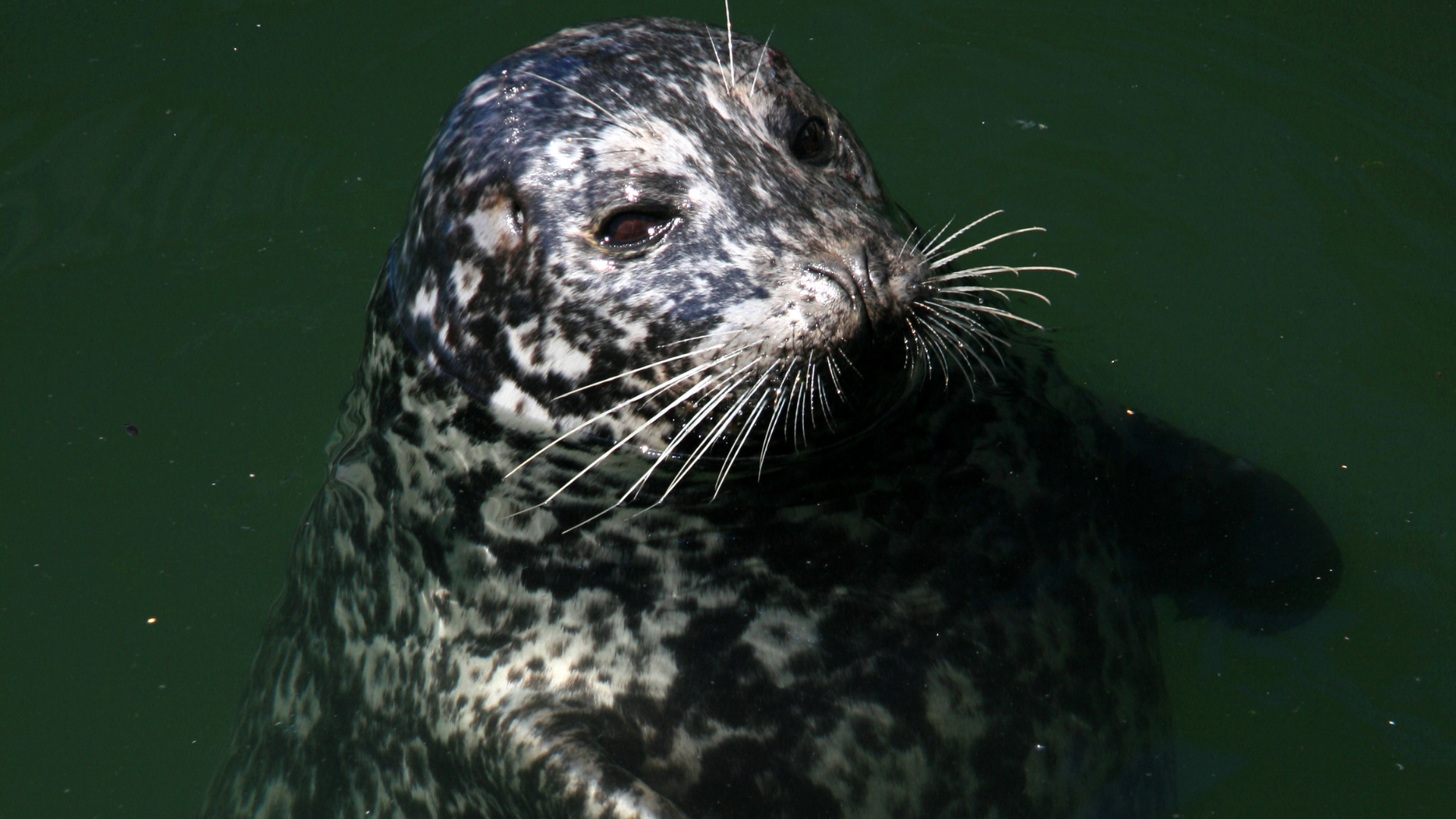
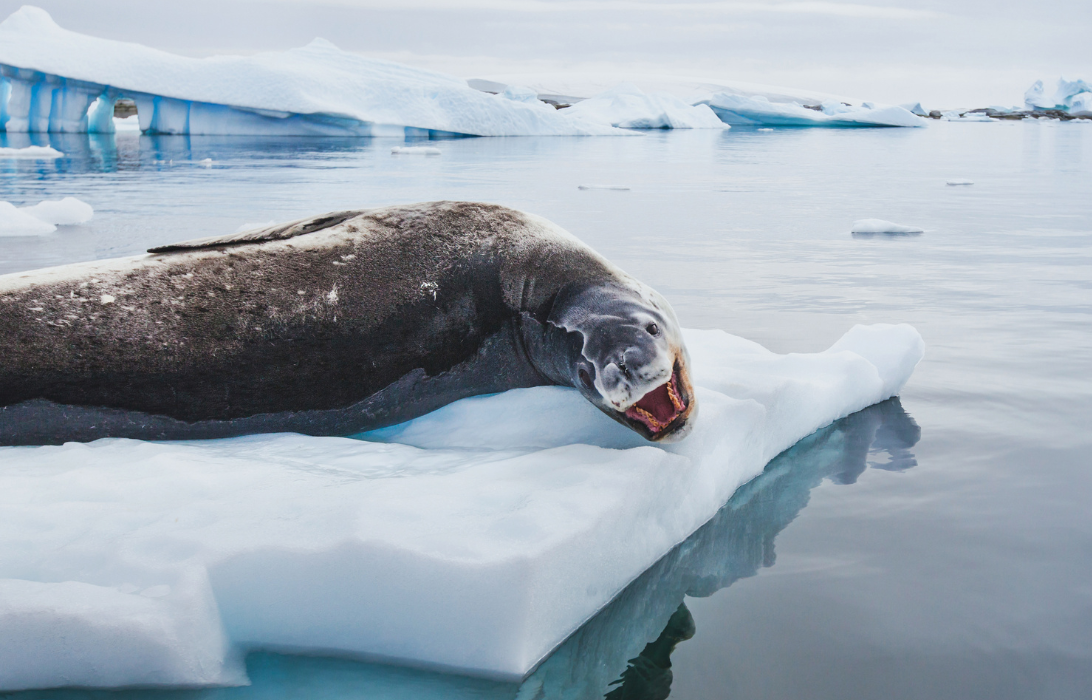
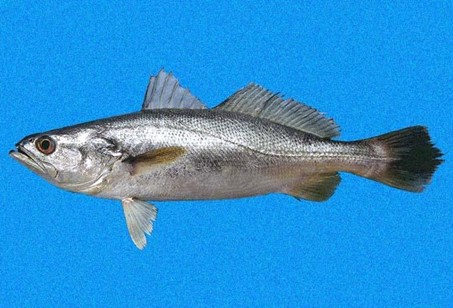
FOOD Orcas are apex predators, meaning they are at the top of the food chain. Different groups have diet fidelity—for example, the resident killer whales in the Salish Sea dine predominantly on salmon. Bigg’s killer whales dine on marine mammals. Because their prey can hear them, mammal-eating killer whales often hunt quietly. Distinctive calls help researchers identify different groups, but hunting and vocal behavior vary among populations.
PREDATORS Orcas have no known regular natural predators. Human activities threaten some populations through prey depletion, contaminants, entanglement, and vessel disturbance and noise.
RESEARCH UPDATE A 2024 study proposed recognizing eastern North Pacific resident and Bigg’s killer whales as separate species. The Society for Marine Mammalogy subsequently recognized them provisionally as subspecies: Orcinus orca ater (resident) and Orcinus orca rectipinnus (Bigg’s). This page retains the broader species name.