

Acoustic Harassment Devices
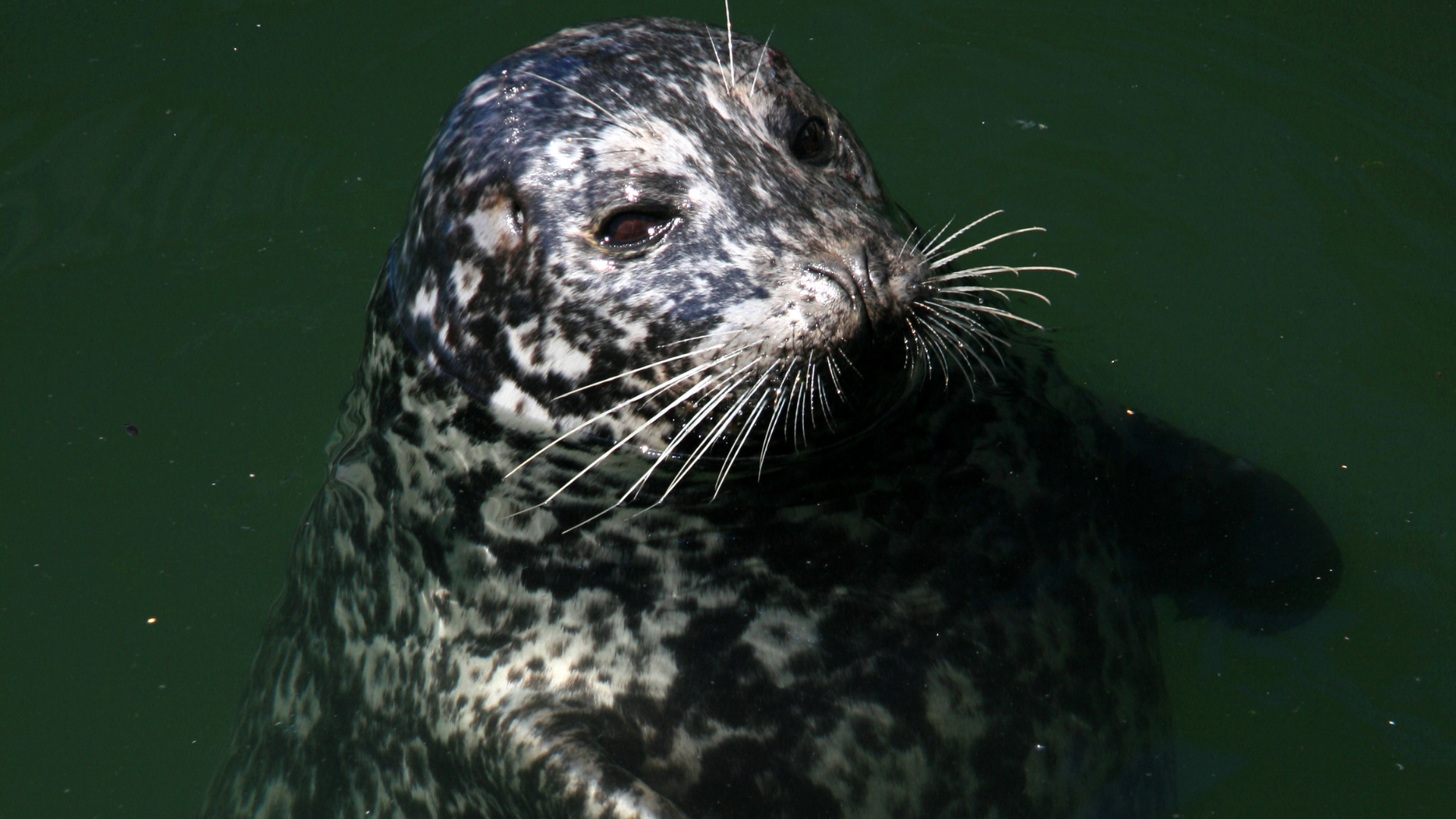
Marine fish farms use acoustic harassment or deterrent devices to discourage seals and other predators from approaching their stock. This audiograph presents an example of an Airmar device. Sound can spread beyond the farm, affecting animals that were never its intended targets.
Description
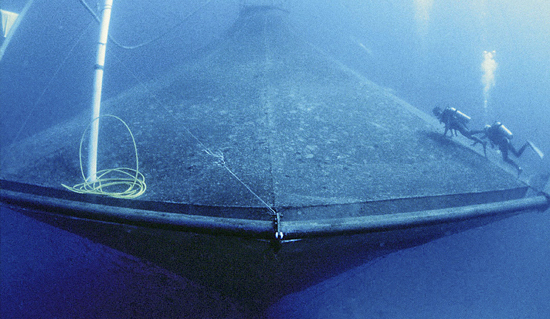
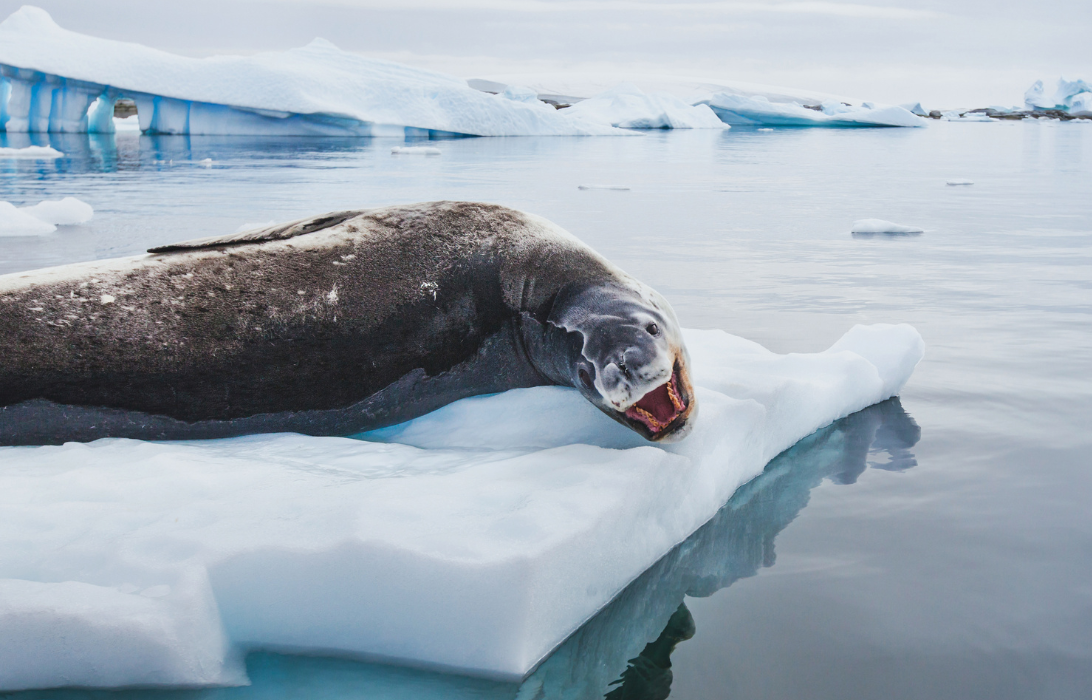
OVERVIEW Marine aquaculture is a rapidly developing field. The protein conversion inefficiencies notwithstanding, the sea-pens and enclosures are also targets for marine life—mostly seals and sea lions, that don’t miss the fact that if they can broach the barriers they could be on “easy street.” In order to protect their enterprises, some marine fish farms employ acoustic harassment devices to discourage predation by the resident carnivores.
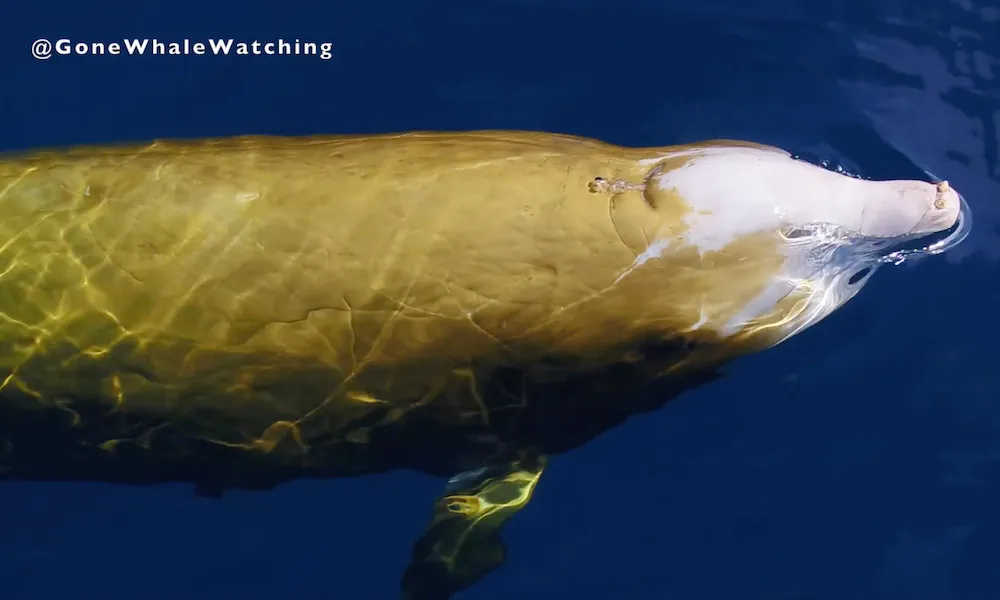
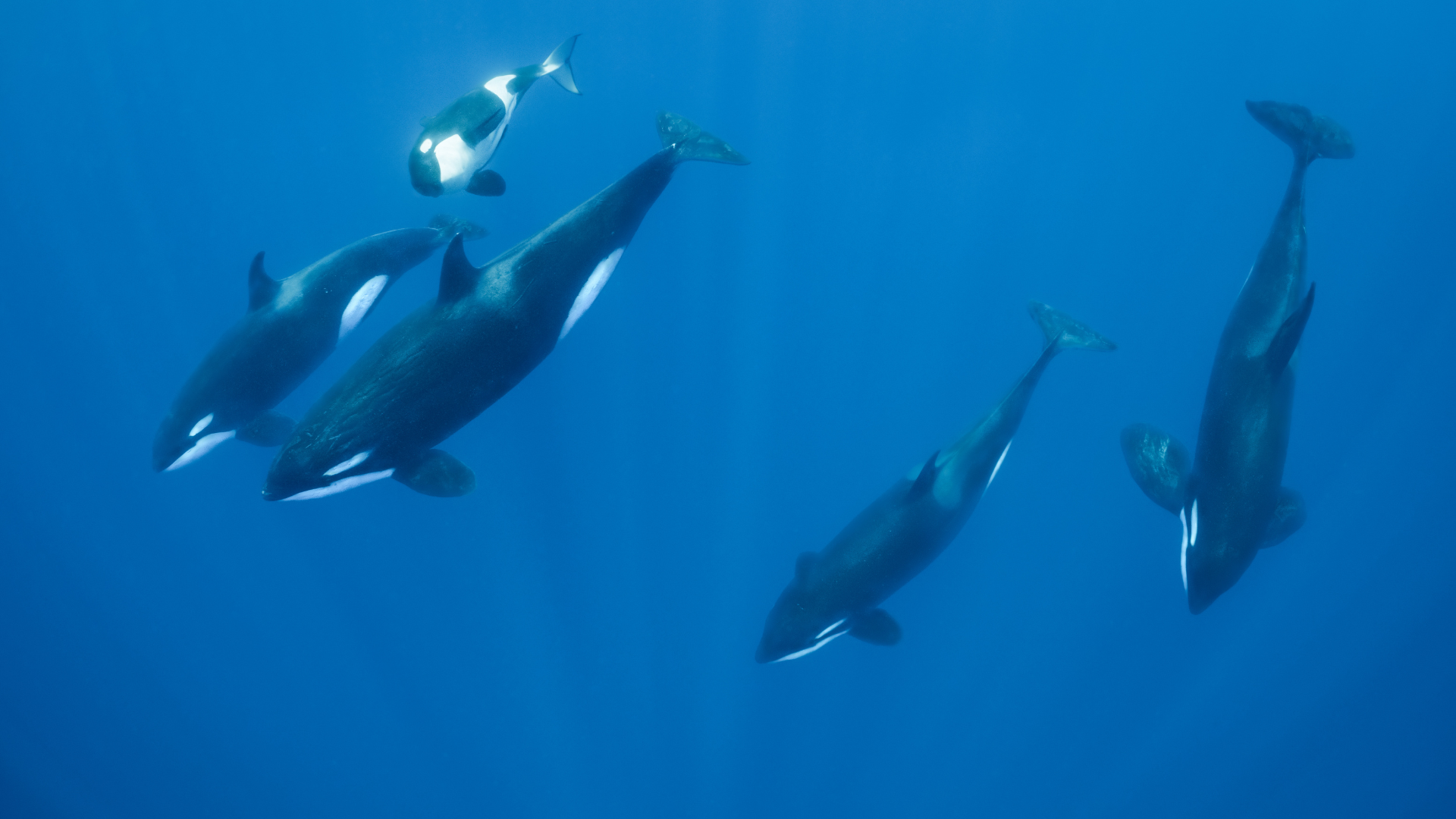
ACOUSTIC HABITAT As to be expected, these devices sound nasty to the target predator. They can displace animals from habitat, although responses depend on the species, device, sound level, and exposure. There is naturally spill-over, so in addition to marine fish farms competing with wild animal food sources to feed their stock, these devices can also disrupt wild animals’ acoustic habitats.
RECENT RESEARCH A 2024 study followed harbour porpoise exposure to aquaculture deterrent noise in western Scotland over nine years. It found evidence of responses to chronic noise, consistent with displacement or changes in echolocation activity. The response was not identical among all animals or sound exposures.
REDUCING IMPACTS Long-term effectiveness at deterring seals remains debated. Better containment, appropriately maintained nets, and other non-acoustic measures can reduce the need for deterrent noise. Device impacts should be evaluated for both the target animals and other marine life nearby.